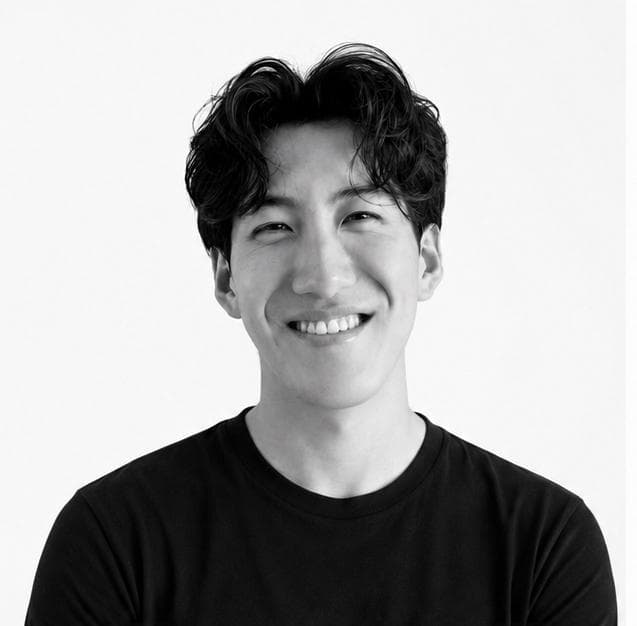
Seven months into his role at Abnormal, Brandon Qin is already rewriting what an AI Product Manager's job looks like. He came in expecting heads-down, zero-to-one engineering work, and found something harder and more interesting: the challenge of transforming how people work, not just what they ship.
What an AI PM Actually Does
Brandon came to Abnormal from a traditional product management role in advertising technology, where the PM role looked nothing like what he does now.
"There's definitely a lot of scattered definitions around it," he said of the AI PM role, "but how we think about it here at Abnormal are two main things. One, you're still a traditional product manager. You're still defining the what and the why, you're working with your stakeholders to gather the requirements, and you're working with engineers to define and execute on the how."
The difference sits in that last part. At Abnormal, an AI PM doesn't just define the how, they build it. Brandon uses tools like Claude Code to do the zero-to-one work himself, and stays the main driver as the system scales, with engineers contributing the infrastructure and data layers that underpin all AI PM products. The framework the team uses is crawl, walk, run, and even in the crawl stages, Brandon says, you have to validate the technical architecture early. Handing off sloppy prototypes isn't the way it works here.
"We're not building these really crappy prototypes zero to one, where we're just handing off slop to engineers. You really have to sit down and think through how you build a good architecture from zero to one, so when we hand it off to one to 100, we can scale properly."
What he didn't anticipate was the other half of the job: the communication and trust-building that comes with transforming people's workflows. "A pleasant surprise and challenge I've learned a lot from has been around communicating what I build," he said. This isn't traditional stakeholder management. It's the work of earning trust with people whose day-to-day is being redesigned around them, which requires a different lens of user empathy. Brandon approaches it by spending time understanding what people's work actually looks like before he touches it, what metrics they're trying to move, and how AI can fit in as a collaborator rather than a replacement.
From a Docs Site to a Whole New Website
The project that put Brandon's approach to the test started small. The original charter was docs.abnormal.ai, a self-maintaining documentation site for customers using Abnormal day to day. The idea was to build something that could monitor code changes, figure out what was relevant for customers, and translate that into high-quality content, reducing the maintenance burden on the Product Marketing team.
They built it, it worked, and they showed it to CEO Evan Reiser.
"Evan's like, this is great, it works awesome, but why don't we just do this for our entire website instead of just a separate website?"
So they did. What began as a scoped documentation project became the foundation for a full rebuild of abnormal.ai: a complete, AI-native website stack for a fast-growing enterprise company, with a content factory, AI-generated front-end code, three.js animations, a headless CMS backend, and a full end-to-end content shipping pipeline.
The Wednesday-to-Friday Sprint
When Evan gave Brandon the feedback to think bigger, the suggested timeline was two weeks to build out an MVP of the site scaffolding. Brandon took that as a floor, not a target.
"I'm definitely a competitive person," he said. "Every time I get feedback on thinking bigger or pushing myself, I always take it as a personal challenge to try to blow it out of the water, by beating maybe the deadlines or even expanding the imagination of what we thought is possible, especially in the world of AI, where you can really build anything as long as you just have the right vision and grit."
He had two days before Friday's AI Demo Hour and used both of them. By Friday, he had shipped a working end-to-end version of what the content factory would do on abnormal.ai: PMM-quality content, TypeScript and three.js animations matching the new visual direction of the brand, and a backend architecture built on a headless CMS with a full agentic pipeline running. The team watched a real website scroll, saw the animations move, and for the first time could see what the new Abnormal looked like.
"I thought, we’ve got two days before Friday’s demo hour. Why not ship something that excites the team?"
The demo validated the concept and created momentum behind it. By showing impact quickly with a working prototype, new stakeholders started coming in: web strategy, marketing operations, the design team. People who were willing, as Brandon put it, to put their egos aside and rebuild something that felt uncomfortable, because they believed it would move the envelope forward and drive real impact for the company.
Building the Machine Behind the Machine
The architecture behind the project reflects how Brandon thinks about AI-native work more broadly. The goal, he explains, is to move the human out of the machine in the sense that they're no longer doing the grunt work, but have shifted into the role of reviewer, with skills and agents doing the execution and the human giving feedback. That feedback gets captured, fed back into each generation, and the system gets better over time.
One concrete example is the self-service flow his team is building into Nora, Abnormal's internal AI platform. Revenue marketing teams pushing out a new website page, for lead capture, trend coverage, or campaign support, used to work through an external agency or an internal build process to get from idea to live page. Now they tag Nora on Slack, get a site up and running in under five minutes, refine it themselves, and ship it directly to abnormal.ai. The pages coming out of the factory, Brandon says, are exponentially raising the quality bar, driving better business metrics and strengthening Abnormal's brand reputation in the process.
"As a single individual I can kick off background workstreams and increase my leverage exponentially in ways I never could before with our internal AI tools."
What the VOICE Award Meant
At just five months in, Brandon was nominated for a VOICE Award for Ownership. He credits Keith Mokris, VP of Marketing, as a central partner in the website work. The recognition, he says, reflected something he noticed early: at Abnormal, the values aren't decorative. They show up in how people actually work.
Beyond ownership, he wanted to call out two values he thinks are particularly unique to Abnormal. On Velocity: "I love that no one at the company is afraid to be a pioneer. We're all experimenters in our own way and our own subject matters. That attitude of building, getting things wrong, and learning from that is so much better than trying to get things perfect from day one." On Intellectual Honesty: "Being the most clueless person in the room is always a sign you're in the right growth opportunities. There are no dumb questions at Abnormal, and oftentimes the simple questions spark the most impactful innovations. Everyone is here to help, debate honestly, and grow together to reach the best possible solutions."
For Brandon, those values aren't separate from the work. They're what made the Wednesday-to-Friday sprint possible in the first place, and what makes the pace here feel sustainable rather than just fast.
A Company That Builds Like It Means It
When Brandon thinks about what makes Abnormal different from anywhere else he's worked, he comes back to two things: the people and the ambition of the projects.
"It's very, very rare to find a team that's this talented, this hungry, this driven and passionate," he said. The builder culture, he adds, starts at the top. "Evan's always showing off these cool things that he's building. I think that distills into everyone trying to figure out how can I contribute in some way, build some cool tool that can help not only myself, but also the people around me. And of course, sometimes that leads to duplicate work or maybe not the perfect solution off the first bat. But we're leading to the right solution. Let's just build, let's figure it out together. That culture is so rare and so hard to find."
The second thing is harder to replicate. "I don't know any other company in any industry that is thinking about uprooting and rebuilding their processes from an AI-native lens like this across the entire company," Brandon said. "That ambition level is super important to me, and I'm very excited to see where it takes us."
He came to Abnormal expecting to go heads-down on zero-to-one engineering work. Instead, he's leading product definition, company vision, and execution, allowing the entire company to operate at a new exponential scale, and he says that's exactly where he wants to be.
